

Fraud detection
Banking applications by accurately identifying and preventing impersonation scams. These scams, where fraudsters mimic legitimate users or banking officials to deceive victims, pose a significant threat to the integrity and trust in online banking systems. By leveraging advanced AI and machine learning techniques, the solution aims to protect users financial assets and personal information from unauthorized access and fraudulent transactions.
Challenge
There are many variables to be considered, and a lot more data
sources to integrated with in order to:
- Analyse User Behavior Analysis
- Develop Natural Language Processing (NLP) models
- Real-time Transaction Monitoring
- Anomaly Detection
- Machine Learning Model Adaptation/Evolution
- User Education and Feedback Integration
Approach
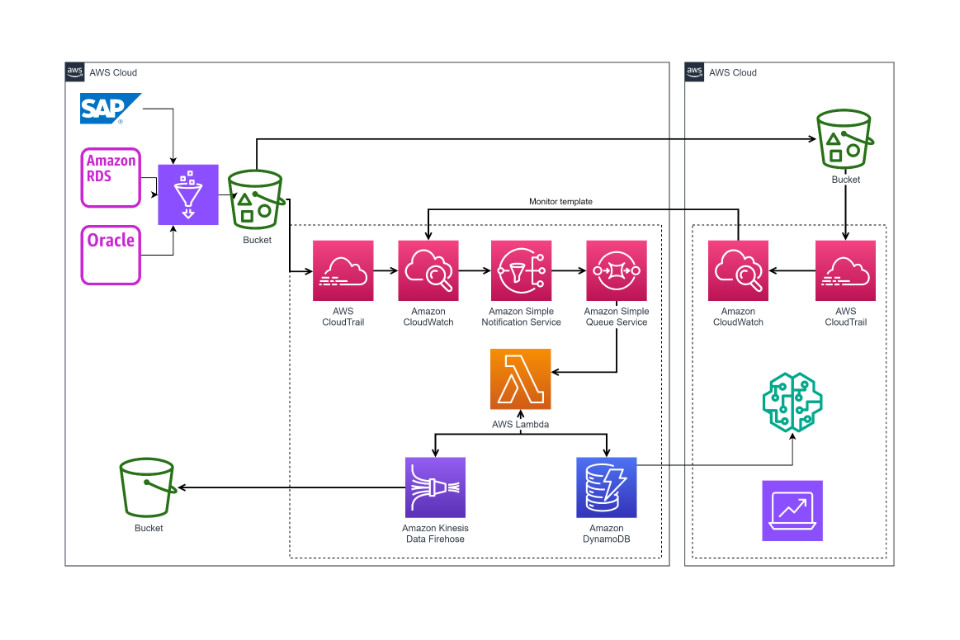
Harvest information from transactional systems against data lake:
- 1. Extract data from transactional systems
- 2. Apply data anonymization and cleaning
- 3. Apply data transformations to perform aggregations, time series analysis and additional features
- 4. Developed custom AI/ML models to detect fraud.
- 5. Continuous evaluation of model performance to be retrained frequently to avoid decay
Value Delivered
- Enhanced Security: Provides robust protection against a wide range of impersonation scams, safeguarding users’ financial assets and personal information.
- Improved User Trust: Increases confidence in online banking applications, encouraging the use of digital banking services.
- Reduced Fraud Losses: Minimizes financial losses due to fraud, protecting both the users and the financial institutions.
- Adaptive Fraud Detection: Keeps pace with evolving scam tactics, ensuring long-term resilience of online banking platforms against impersonation scams.
- User-Centric Approach: Balances security measures with user convenience, ensuring that fraud prevention does not impede the banking experience.